
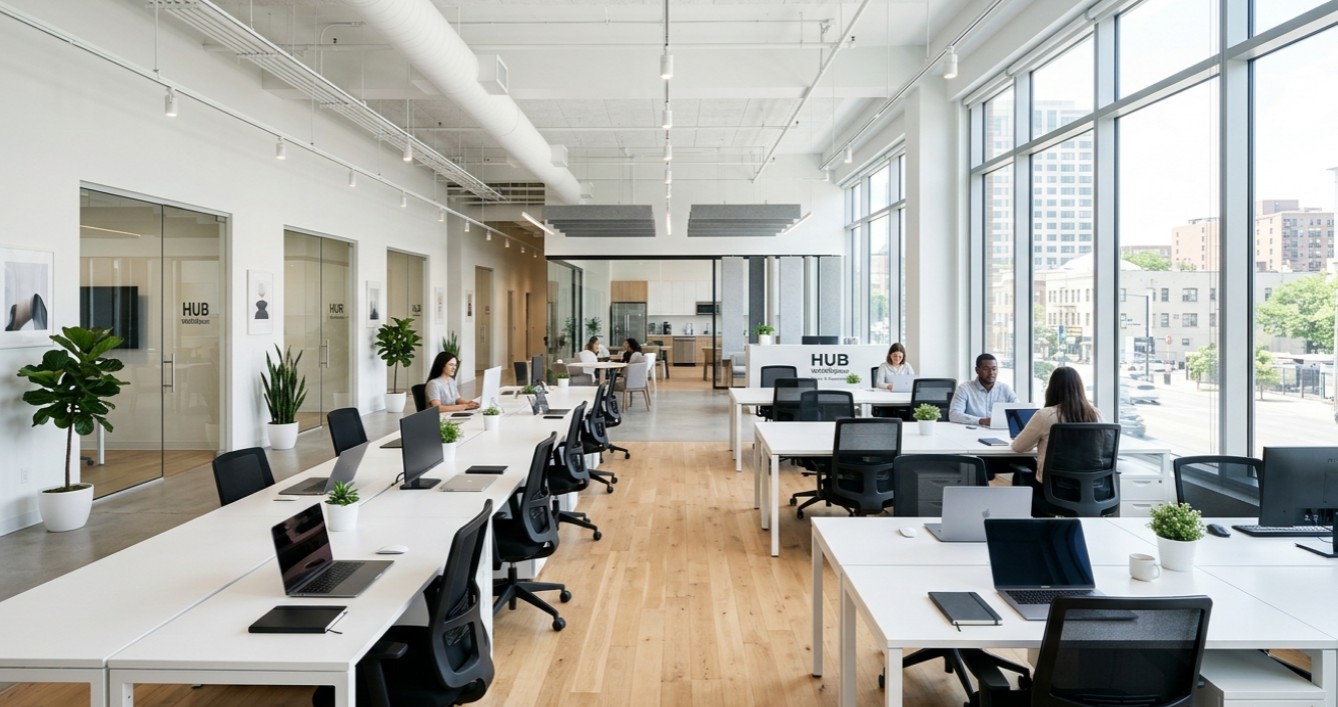
A clean commercial space does more than look professional. It supports employee health, protects visitors, improves productivity, and helps daily operations run without unnecessary disruption. Whether the space is an office, warehouse, retail store, clinic, or shared facility, cleanliness should be treated as part of workplace management, not as an occasional task. With the right routine, clear standards, and consistent attention to detail, commercial spaces can remain safe, organized, and ready for staff every day.
Build A Cleaning Routine Around Daily Workplace Activity
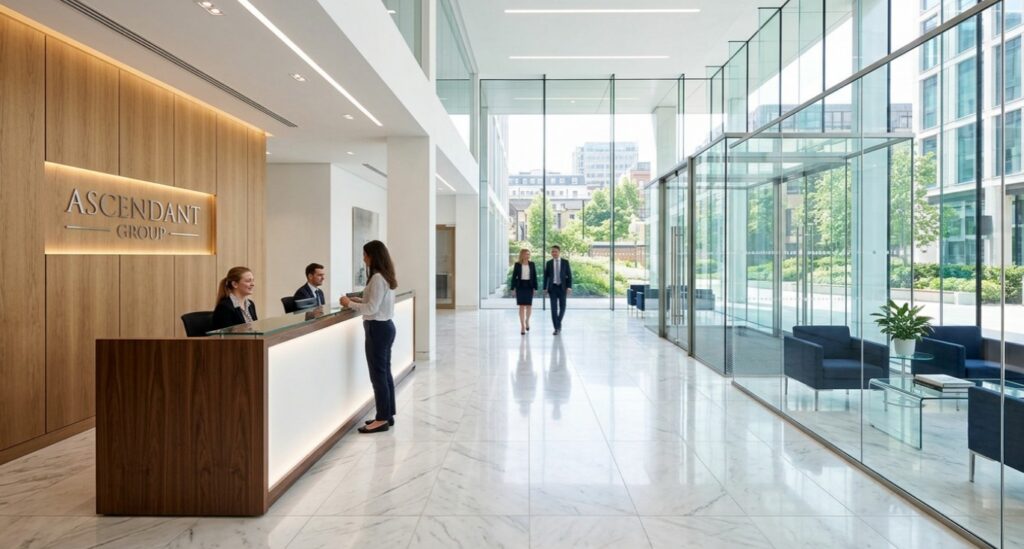
Every commercial space has different cleaning needs, so the best routine starts with understanding how the space is actually used. High-traffic areas such as entrances, corridors, reception desks, kitchens, restrooms, meeting rooms, and shared workstations need daily attention because they collect dust, dirt, germs, and clutter quickly. Businesses that rely on industrial cleaning services can learn more about a structured approach, especially when larger premises, specialist surfaces, or strict hygiene requirements are involved.
A practical cleaning schedule should separate daily, weekly, and deep-cleaning tasks. Daily tasks may include emptying bins, wiping surfaces, cleaning restrooms, vacuuming floors, sanitizing touchpoints, and restocking hygiene supplies. Weekly tasks can include detailed floor care, window cleaning, dusting less visible areas, and checking storage spaces. Periodic deep cleaning should focus on areas that are often missed during regular maintenance, such as vents, corners, upholstery, high shelves, and behind large equipment.
Focus On Health, Safety, And High-Touch Areas
Workplace cleanliness is directly connected to health and safety. Germs spread easily through shared surfaces, especially in busy environments where employees use the same doors, desks, phones, kitchen appliances, printers, and restroom facilities. Regular disinfection of high-touch points helps reduce the risk of illness and keeps staff more confident in their working environment.
Safety also depends on removing hazards before they cause problems. Wet floors, loose cables, blocked walkways, overflowing bins, poor storage, and dusty equipment can all increase the risk of accidents. Cleaning staff and managers should work together to identify these issues early. A clean floor is important, but a clear and well-organized floor is just as essential.
Air quality should not be ignored either. Dust, poor ventilation, dirty carpets, and neglected fabric furniture can make indoor spaces feel stale and uncomfortable. Regular vacuuming, dust control, filter checks, and proper waste management help create a healthier atmosphere. Employees are more likely to feel focused and comfortable when the workplace smells fresh, looks orderly, and feels properly maintained.
Set Clear Standards And Encourage Shared Responsibility
Keeping a commercial space clean every day is easier when expectations are clear. Managers should define cleaning responsibilities, create checklists, and make sure everyone understands which areas require professional cleaning and which small habits belong to staff. Employees do not need to perform deep cleaning, but simple actions such as clearing desks, washing used cups, disposing of waste correctly, and reporting spills can make a major difference.
Supplies should also be easy to access. Hand soap, paper towels, disinfectant wipes, bin liners, and basic cleaning products should never run out in key areas. When supplies are missing, standards quickly drop. Regular inspections help ensure that cleaning quality remains consistent and that small issues are corrected before they become larger problems.
Communication is another important part of maintaining standards. If staff notice recurring problems, such as restrooms not being cleaned often enough or entrance floors becoming slippery during bad weather, those observations should be taken seriously. A responsive cleaning plan is always more effective than a fixed routine that never changes.
Conclusion
A clean commercial space is the result of planning, consistency, and shared awareness. Daily routines keep visible areas presentable, while deeper cleaning protects long-term hygiene and safety. By focusing on high-traffic zones, touchpoints, air quality, hazard prevention, and clear workplace standards, businesses can create an environment that is ready for staff every morning. Cleanliness is not only about appearance; it is a practical part of running a safer, healthier, and more professional workplace.