
Construction projects rely on materials that perform consistently under demanding conditions. Whether used for environmental containment, infrastructure, mining, or civil engineering, every material must meet strict quality standards before installation begins. Using materials that have not been properly tested can increase the risk of defects, project delays, and costly repairs.
Testing materials before they reach the job site allows contractors and project managers to verify quality, identify potential issues, and ensure compliance with project specifications. This proactive approach reduces uncertainty while supporting safer and more reliable construction outcomes.
Quality assurance begins long before installation, making laboratory testing an essential part of successful project planning.
Verify Material Performance Before Installation

Project teams should understand that liner material for laboratory testing is pivotal for the process because laboratory evaluation helps verify material properties, identify manufacturing inconsistencies, and confirm that liners meet the required performance standards before they are delivered for installation.
Laboratory testing can assess important characteristics such as strength, durability, thickness, flexibility, and resistance to environmental conditions. Confirming these properties before construction begins reduces the likelihood of unexpected failures after installation.
Testing also allows unsuitable materials to be identified early, avoiding expensive replacement work once the project is underway.
Early quality verification provides greater confidence in long-term project performance.
Reduce Construction Risk And Delays
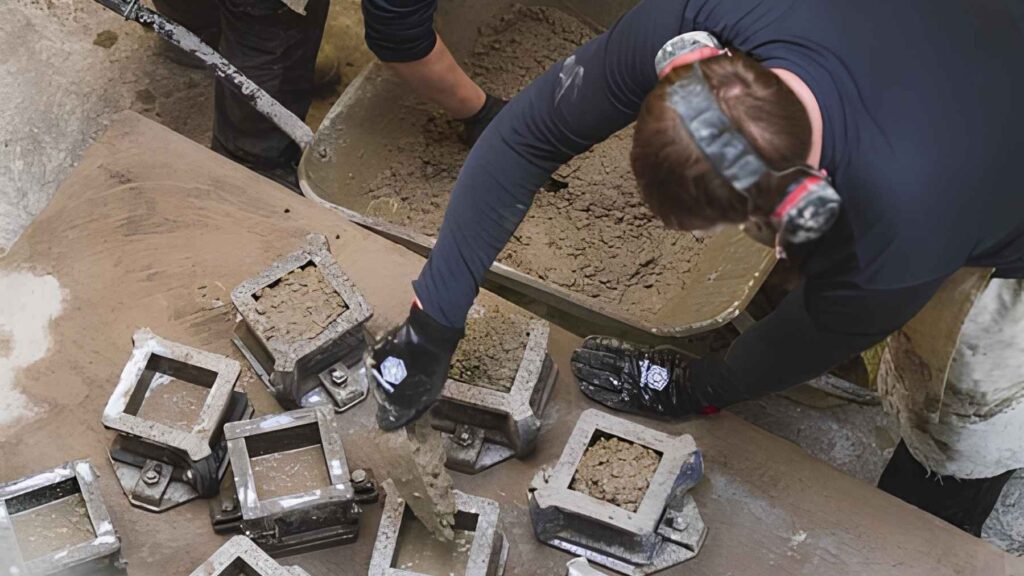
Installing materials that fail to meet project requirements can result in significant delays, additional labour costs, and expensive remediation work. Identifying problems before materials arrive on site helps contractors maintain construction schedules and minimise unnecessary disruption.
Laboratory testing also supports quality control throughout the supply chain by ensuring that materials consistently meet contractual specifications and engineering requirements. This reduces the risk of disputes and improves overall project efficiency.
Reliable testing procedures contribute to better planning and more predictable construction outcomes.
Preventing problems before installation is generally far more cost-effective than correcting them later.
Support Long-Term Project Performance
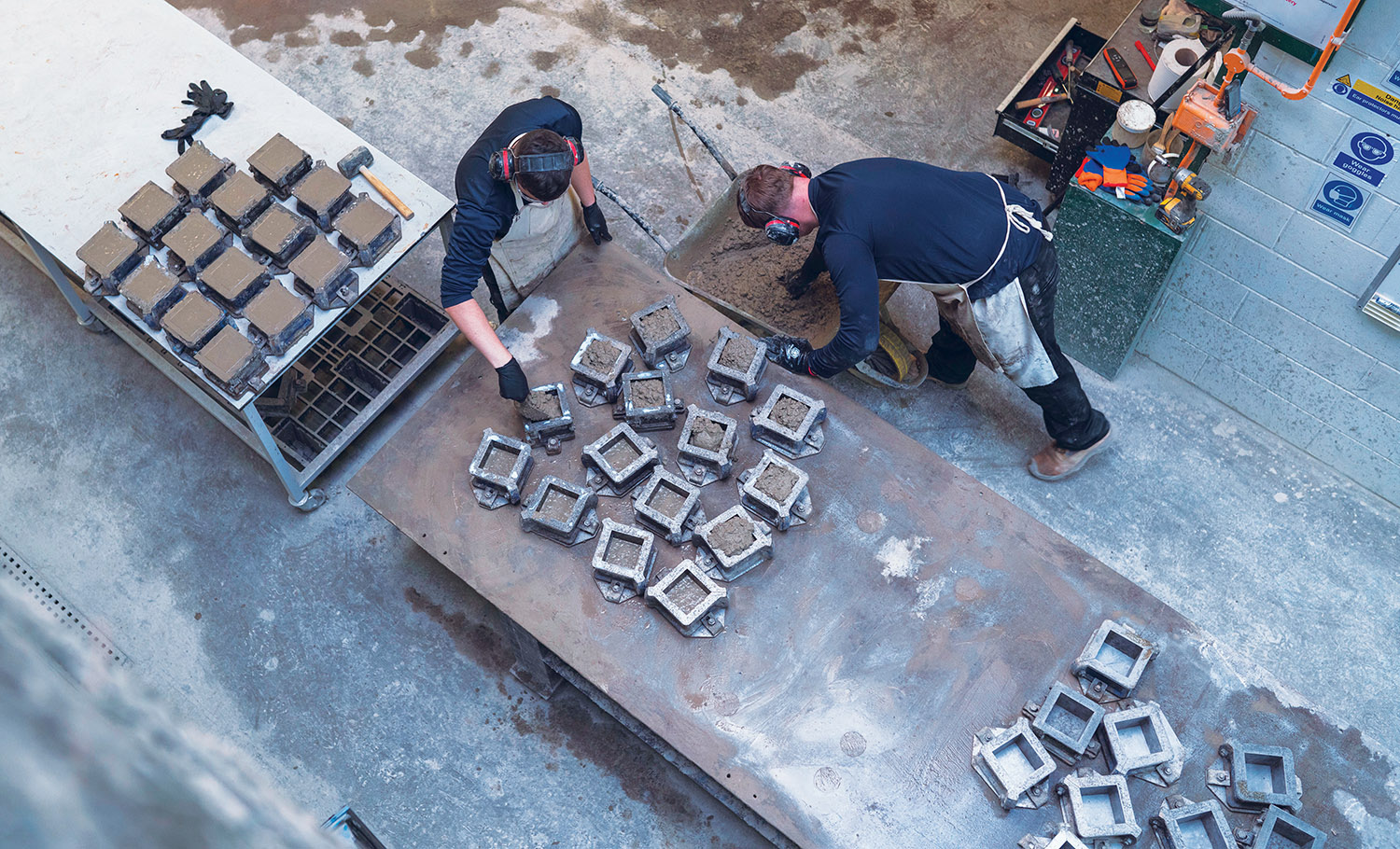
Construction materials are expected to perform for many years under challenging environmental and operational conditions. Thorough laboratory testing helps confirm that products are suitable for their intended purpose before they become part of critical infrastructure.
Working with experienced testing professionals also provides valuable documentation that supports compliance, quality assurance, and future project audits. These records demonstrate that appropriate verification processes were completed before installation commenced.
Strong quality control practices improve confidence in the durability and reliability of completed projects.
Investing in material testing helps protect both project performance and long-term asset value.
Conclusion
Testing construction materials before they reach the job site is an essential step in reducing risk, improving quality, and supporting successful project delivery. Early laboratory evaluation helps identify defects, verify compliance, and ensure materials are suitable for their intended application.
By making laboratory testing a standard part of project planning, construction teams can minimise costly failures, maintain project schedules, and deliver infrastructure that performs reliably for years to come.