

In the evolving landscape of architectural design and fire safety, the intersection of rational fire resistance design and building code compliance emerges as a critical focal point. As architects, engineers, and builders navigate the intricate web of regulatory frameworks, they face the daunting task of balancing innovative design with stringent safety standards.
A rational approach to fire resistance not only underscores the importance of materials and construction methods but also presents an opportunity for creative expression within the confines of regulation. This article delves into the myriad considerations that underpin effective fire resistance strategies, examining how compliance with building codes can enhance safety without stifling architectural ingenuity.
From the nuances of fire dynamics to the implications of new technologies, we aim to illuminate the path toward buildings that are not only compliant but also resilient and forward-thinking.
Regulatory Framework for Fire Resistance

The regulatory framework governing fire resistance is a complex tapestry woven from various standards, codes, and guidelines. At the heart of this framework lies the National Fire Protection Association (NFPA), whose codes provide essential guidelines for fire prevention and safety, alongside local building codes that adapt these principles to specific contexts. In the United States, the International Building Code (IBC) serves as a cornerstone, stipulating requirements that ensure structures can withstand fire exposure without compromising life safety and structural integrity.
However, compliance is not a mere checkbox exercise; it requires a nuanced understanding of materials, occupancy types, and environmental factors. Architects and engineers must navigate this labyrinth, employing rational design strategies that not only adhere to stringent regulations but also embrace innovative materials and technologies, ultimately fostering safer, more resilient built environments.
Principles of Rational Fire Resistance Design
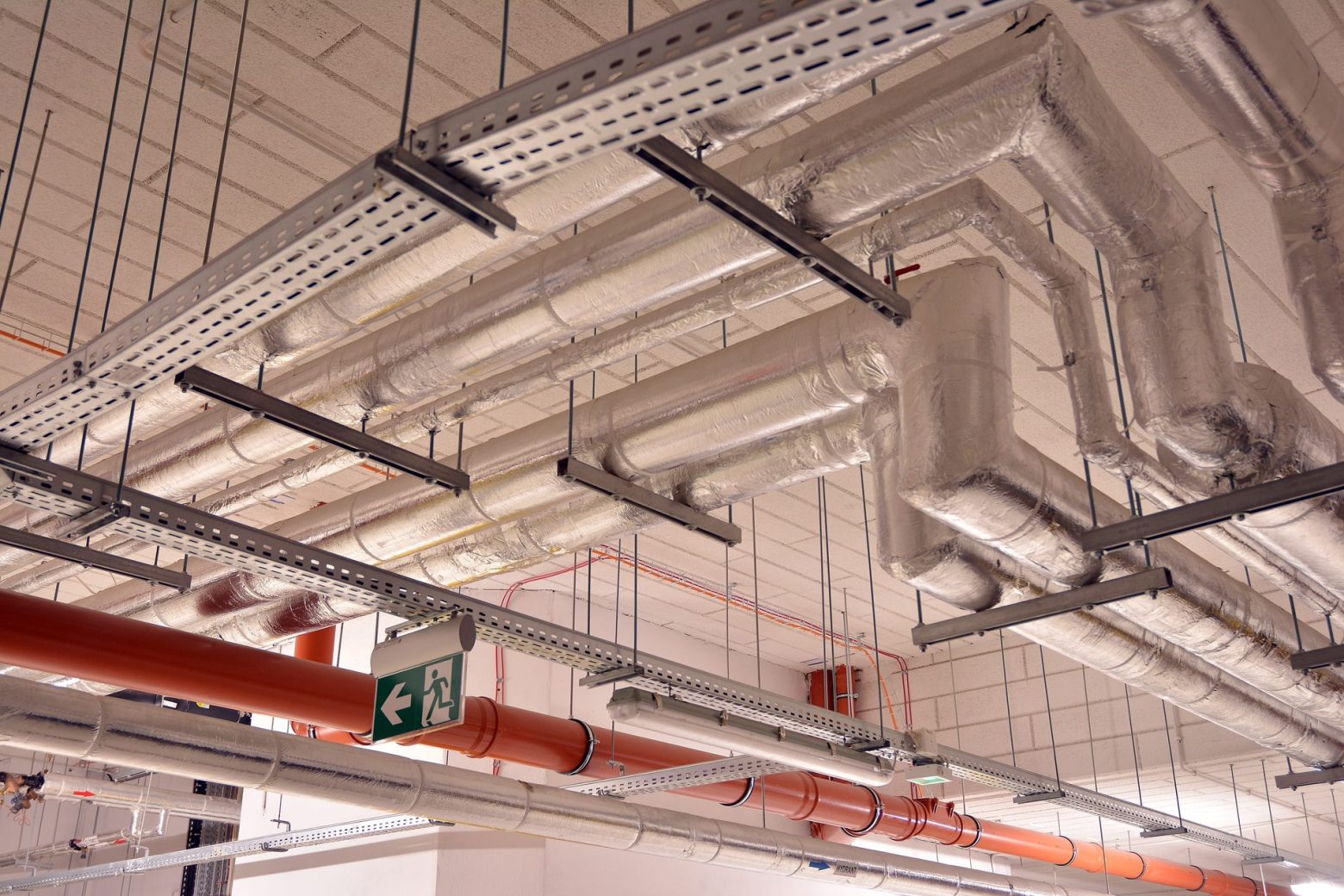
The principles of Rational Fire Resistance Design revolve around a blend of science and engineering tailored to enhance life safety and structural integrity in the face of fire hazards. At the core is a thorough risk assessment that takes into account both the potential fire scenarios and the operational characteristics of the building.
This process is not merely regulatory; it requires a nuanced understanding of materials, occupancy types, and construction methodologies. By employing a performance-based approach, designers can evaluate building components—such as walls, floors, and ceilings—not just through prescriptive codes, but through their actual behavior under fire conditions.
This empowers architects and engineers to devise innovative solutions that often integrate advanced technologies and materials, all while maintaining strict adherence to safety standards. Ultimately, Rational Fire Resistance Design is about striking a balance; it seeks to maximize safety and functionality without sacrificing the aesthetic and operational aspects of a building, ensuring that structures don’t just withstand fire, but are also resilient in their response to it.
Fire Resistance Rating Systems

Fire resistance rating systems are essential for ensuring the safety and integrity of buildings in the face of potential fire hazards. These systems categorize materials and assemblies based on their ability to withstand fire exposure, measured in terms of time—typically in hours—before failure occurs.
For example, a wall assembly rated for two hours indicates that it can offer structural protection and limit fire spread for that duration. This rating is not merely an arbitrary number; it stems from rigorous testing methods and standards set by organizations like ASTM and UL, which evaluate various factors, including temperature, flame spread, and smoke production.
Furthermore, different building types and occupancy classifications necessitate varying fire-resistance thresholds, making it crucial for designers and builders to engage deeply with code requirements. Failure to comply with these fire resistance ratings can lead to not only costly penalties but, more importantly, perilous risks to human life and property. Thus, understanding and applying these rating systems is a cornerstone of rational fire resistance design, intertwining safety, functionality, and regulatory compliance.
Conclusion
In conclusion, the integration of rational fire resistance design principles with building code compliance is essential for creating safe and resilient structures. By understanding the complexities of fire dynamics and material behavior under extreme conditions, architects and engineers can make informed decisions that not only meet code requirements but also enhance the overall safety and functionality of buildings.
As we continue to advance in our knowledge and technologies, it is crucial for industry professionals to stay informed about the latest developments and best practices in structural fire design. To delve deeper into this critical subject, we encourage readers to learn more about structural fire design and its impactful role in contemporary architecture and safety standards.