
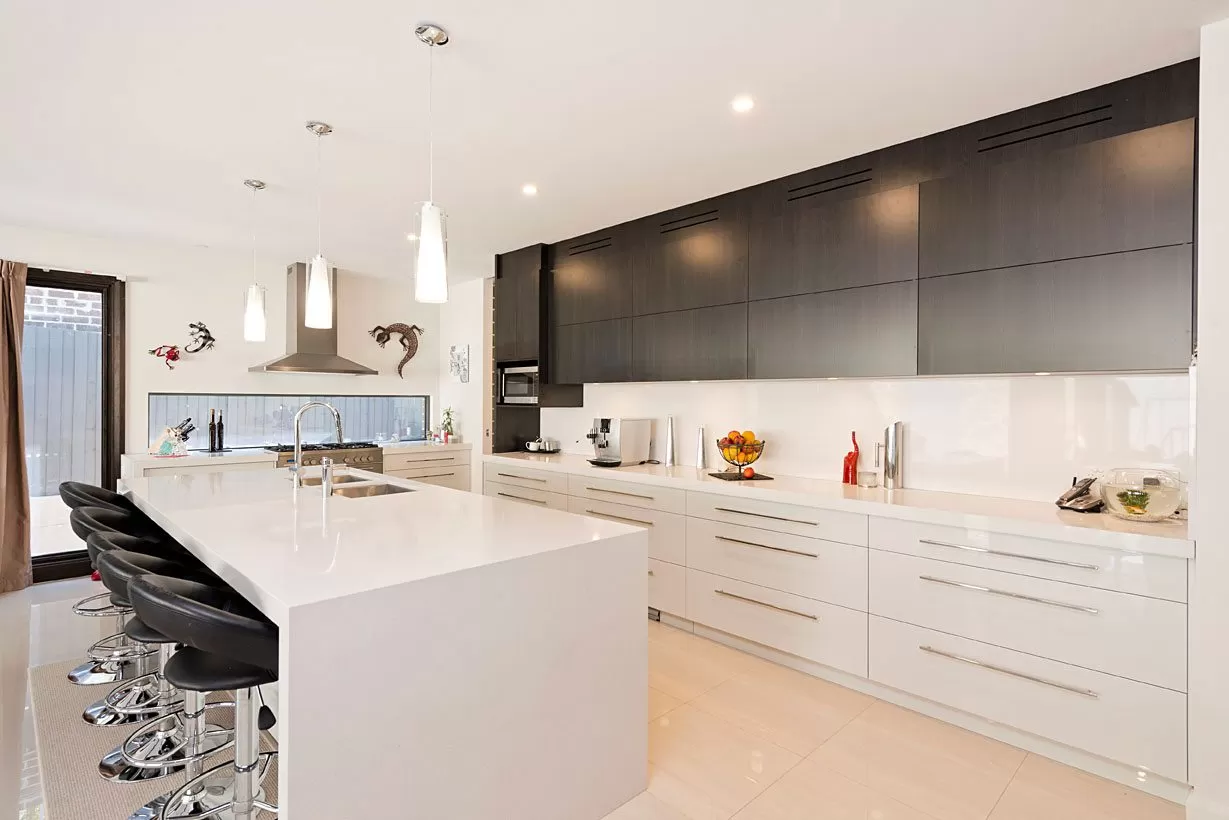
A kitchen renovation is a major investment, but even after the main work is finished, the space can sometimes feel unfinished or lacking cohesion. Cabinets, appliances, and worktops may be in place, yet something still feels missing. This is often because the finer details have not been fully considered. Completing a kitchen is about bringing together all elements so that the space feels balanced, functional, and visually polished.
The final stage of a renovation is where thoughtful decisions make the biggest difference. Small adjustments and finishing touches can transform a newly built kitchen into a fully realized space that feels comfortable and complete.
Focus On Finishing Surfaces And Visual Continuity

One of the most important aspects of completing a kitchen renovation is ensuring that all surfaces work together visually. Walls, backsplashes, cabinets, and worktops should create a consistent flow rather than feeling disconnected.
A key feature that helps achieve this is glass splashbacks. They not only protect walls from moisture and cooking residue but also add a clean, modern finish that ties the design together. Their smooth surface reflects light, helping the kitchen appear brighter and more spacious.
Choosing the right colour and finish is essential. Neutral tones create a calm and cohesive look, while bold colours can add contrast and personality. When selected carefully, splashbacks help unify the entire space and remove the feeling of incompleteness.
Layer Lighting For Function And Atmosphere

Lighting is often one of the last elements to be addressed, yet it plays a major role in how complete a kitchen feels. A single overhead light is rarely enough to support both functionality and atmosphere. Instead, layering different types of lighting creates depth and balance.
Task lighting under cabinets ensures that work surfaces are well lit for cooking and preparation. Accent lighting, such as pendant lights above an island, adds visual interest and defines key areas of the kitchen. Ambient lighting helps create a warm and welcoming environment, especially during evenings.
Well planned lighting enhances the overall design and makes the space feel more intentional. It also allows the kitchen to adapt to different uses, from cooking to entertaining.
Add Details That Improve Comfort And Usability

A kitchen feels complete when it works seamlessly for everyday use. Small practical details can make a significant difference in how comfortable and efficient the space is. Features such as soft close drawers, organized storage solutions, and well placed power outlets all contribute to a smoother experience.
Personal touches also play an important role. Adding plants, decorative items, or carefully chosen accessories helps soften the space and make it feel more inviting. These elements bring warmth and personality, turning a functional kitchen into a place where people enjoy spending time.
Keeping surfaces uncluttered while adding a few meaningful details creates a balanced look. The goal is to make the kitchen feel lived in without overwhelming the design.
Conclusion
Making a kitchen renovation feel complete requires attention to detail and thoughtful finishing touches. By focusing on cohesive surfaces, effective lighting, and practical yet personal elements, you can transform the space into something that feels fully realized. A well finished kitchen is not only visually appealing but also comfortable, efficient, and enjoyable to use every day.