Munich is a city layered with centuries of stories. From royal palaces and medieval towers to political landmarks that influenced modern Europe, the Bavarian capital is one of the richest destinations for travelers who love history. This guide highlights the essential places that shaped Munich and Bavaria, offering context, atmosphere, and meaningful sights across different eras.
Medieval foundations and early Munich
Munich’s early history still lives in its Old Town streets, fortified towers, and ancient churches. As you explore these origins, some visitors also research private nightlife options such as München escort, and you can find additional details on this website. For now, let’s focus on the historical sites that defined the city’s foundations.
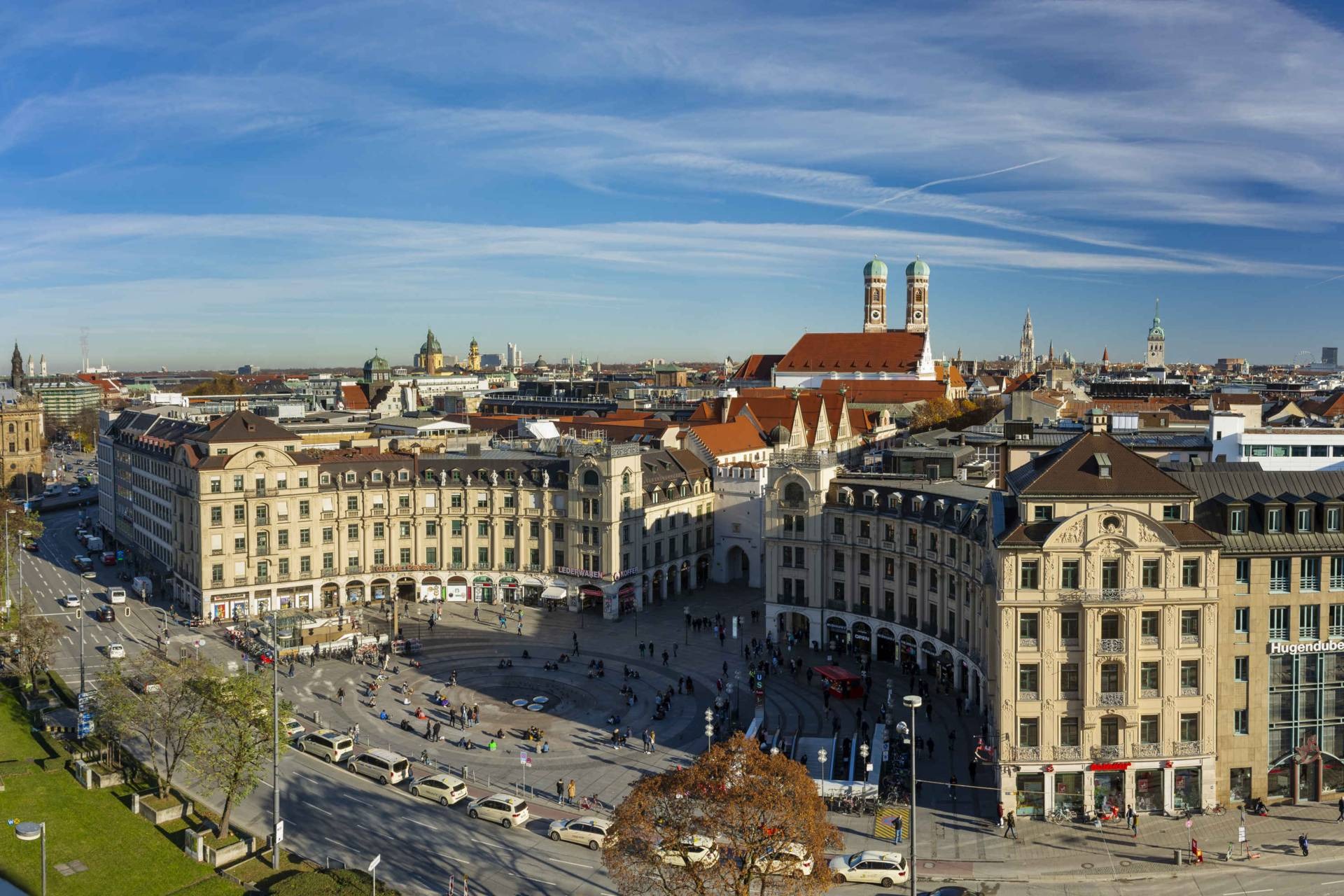
Start at Marienplatz, where medieval trade routes once intersected. The Old Town Hall preserves Gothic charm, while nearby St Peter’s Church, the oldest parish church in Munich, reflects the city’s early religious and architectural evolution. Climb its tower to get a view similar to what medieval residents once saw across the growing settlement.
Frauenkirche, built in the 15th century, stands as a powerful example of late Gothic architecture. Its distinctive domes have become Munich’s most iconic symbol, marking centuries of Bavarian identity. Exploring these landmarks gives you a vivid sense of how the city began and how its early structures shaped daily life.
Royal Bavaria and the era of kings

Munich’s golden age came during the rule of the Wittelsbach dynasty, whose influence stretched across politics, architecture, and the arts. The Residenz, their magnificent palace in the city center, is one of the largest urban palaces in Europe. Its halls, chambers, and treasure-filled museums reveal how Bavarian rulers projected power and prestige.
Nymphenburg Palace, the Wittelsbach summer residence, offers another chapter of royal history. Its large gardens, canal system, and ornate pavilions reflect the grandeur and cultural sophistication of 17th and 18th century Bavaria. A stroll through the expansive grounds shows how the monarchy shaped not just politics, but also landscape design and artistic expression.
Nearby, the Cuvilliés Theatre—an exquisite Rococo gem—offers insight into the court’s love for performance and high culture. History lovers will find this era especially fascinating for its blend of luxury, politics, and architectural ambition.
Twentieth century events and modern memory

Munich played a significant role in Germany’s turbulent twentieth century. Understanding these locations provides deeper context for European history.
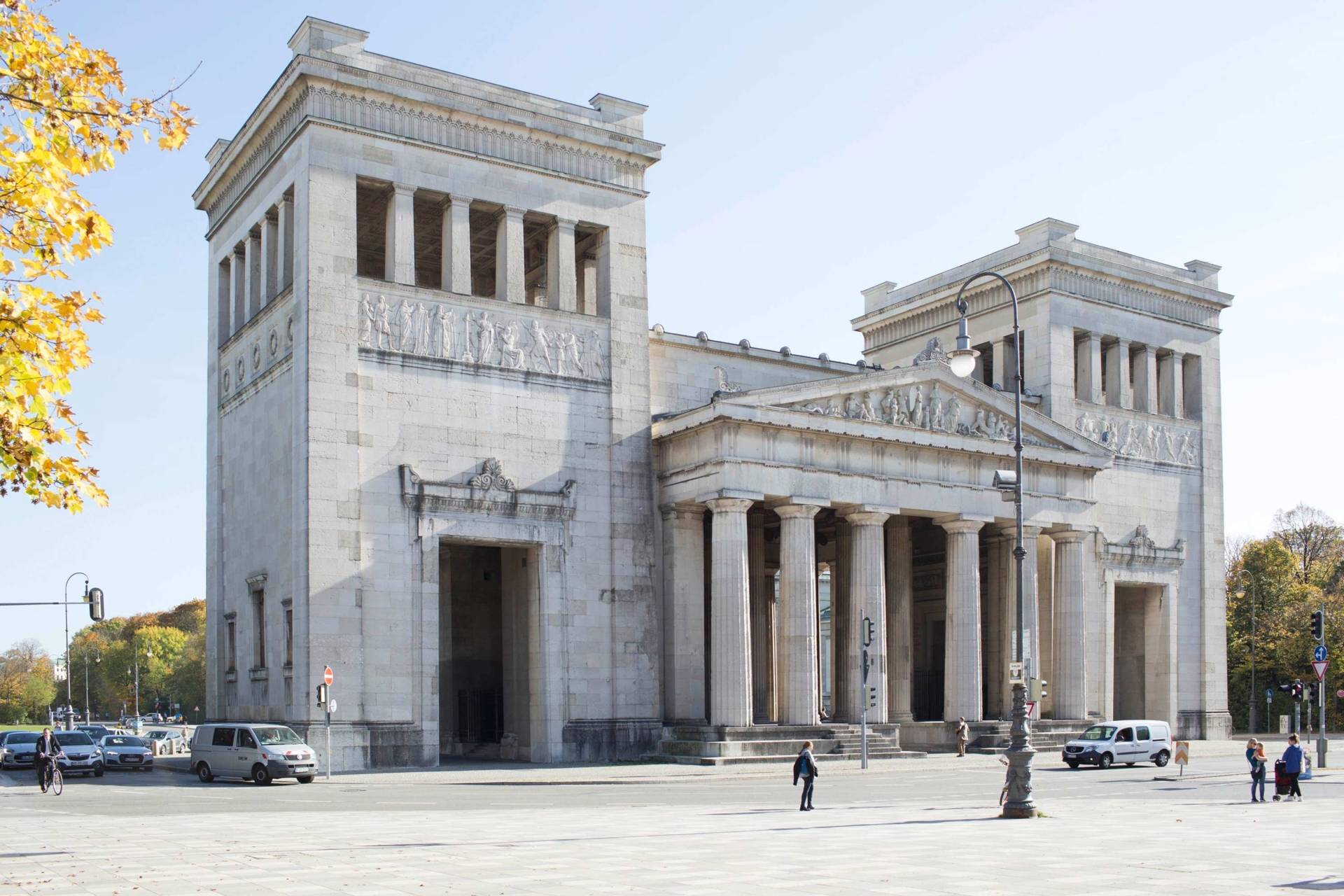
Königsplatz is one of the most important places to visit. Once redesigned by the Nazi regime for state ceremonies, it now stands as a reminder of how architecture can be used for political messaging. Today, the area is surrounded by museums, symbolizing the city’s shift toward education and cultural reflection.
The NS Documentation Center, located nearby, offers a thorough and impactful museum experience. Its exhibits explain the rise of National Socialism, Munich’s role in the early movement, and the consequences that followed. It’s a must visit site for anyone wanting a deeper understanding of the period.
For a more contemplative experience, visit the White Rose Memorial at Ludwig Maximilian University. This tribute honors the student resistance group whose bravery and moral courage stand as one of Munich’s most powerful historical legacies.
Conclusion
Munich is a treasure for history lovers, offering sites that span medieval origins, royal splendor, and pivotal twentieth century events. Each landmark helps tell the story of Bavaria’s development, resilience, and cultural identity. Whether you explore palaces, churches, memorials, or museums, Munich’s past comes alive in ways that enrich every step of your journey.